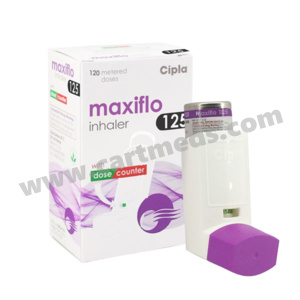

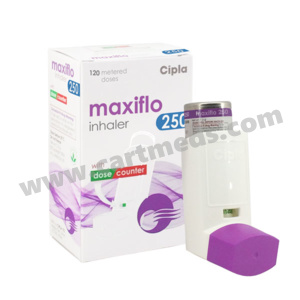
A combination drug called Maxiflo Inhaler 125 is used to treat the symptoms of asthma and chronic obstructive pulmonary disease (COPD), including shortness of breath, tightness in the chest, wheezing, coughing, etc. Patients under the age of 12 should not use this medication, according to the instructions. This medication does not work to treat an acute episode of asthma; it is only used to maintain asthma control. This medication is use to maintain asthma treatment. The symptoms of breathing problems, wheezing, shortness of breath, etc. can be prevented and treated with its support. This medication is intend to prevent and treat symptoms of chronic obstructive pulmonary disease (COPD), such as breathing problems, wheezing, shortness of breath, tightness in the chest, etc. Patients with a known allergy to fluticasone, any other corticosteroid, formoterol, or any other inactive substance present with these medications should avoid using this medication. Since it is ineffective in treating status asthmaticus (a severe, acute asthma attack) for bye Inhaler, this medication is not advise for use in individuals with this condition as a first-line therapy. Pregnant women should only take this medication if absolutely required. Before using this medication, examine all the risks and advantages with the doctor. Women who are breastfeeding shouldn’t use this drug unless it is absolutely require. Check with your doctor about all the benefits and hazards before using this drug. If the medicine is use, the infant should be closely monitore for any undesirable side effects. Because there is a higher chance of the patient’s condition getting worse, this medication should be used with caution in individuals who have a known history of thyrotoxicosis or hyperthyroidism. To use this medication safely, you might need to alter your dose and undergo more frequent clinical monitoring. Depending on the patient’s clinical condition, replacement with a suitable alternative can be required. Due to the increase risk of the patient’s condition getting worse, this medication should be use with caution in individuals who have a known history of hypokalemia (low blood potassium levels). Depending on the clinical state, careful monitoring of potassium levels, appropriate corrective actions, dose modifications, or replacement with a suitable substitute may be require in some cases. It is important to breathe in the missed dose as soon as you remember. If your next planned dose is approaching, it is best to skip the missed one. To make up for a missed dose, do not take more medication. In the event of an overdose, seek emergency care or call your doctor. • Do not use formoterol inhalation to treat an asthma attack that has already begun. Use this medication precisely as your doctor has advised. Observe all the directions included in the package insert or information leaflet. Never take more or less than what is recommend or prescribed. If you have any unfavorable side effects, speak with your doctor. Never stop taking this medication without first talking to your doctor.
Description
Side effects
Why is it recommended?
Asthma
Pulmonary illness with chronic obstruction
When not to use it?
Allergy
Asthmaticus status
Warnings
Warnings for special population
Pregnancy
Breast-feeding
General warnings
Hyperthyroidism or thyrotoxicosis
Hypokalemia
Dosage
Untaken Dose
Overdose
• Do not use this drug, if you are allergic to formoterol.
• Never place a capsule in the mouthpiece of the inhaler.
• Consult your doctor before taking Formoterol, If you are pregnant, planning to become pregnant or breastfeeding.
• It should be taken as an inhaler or nebulizer after clearly following the instructions of the doctor and the instructions given in the patient information leaflet in the medication box.General Guidelines